
What a Wolfpack in Business mean, and what
it can teach us about Team Leadership!
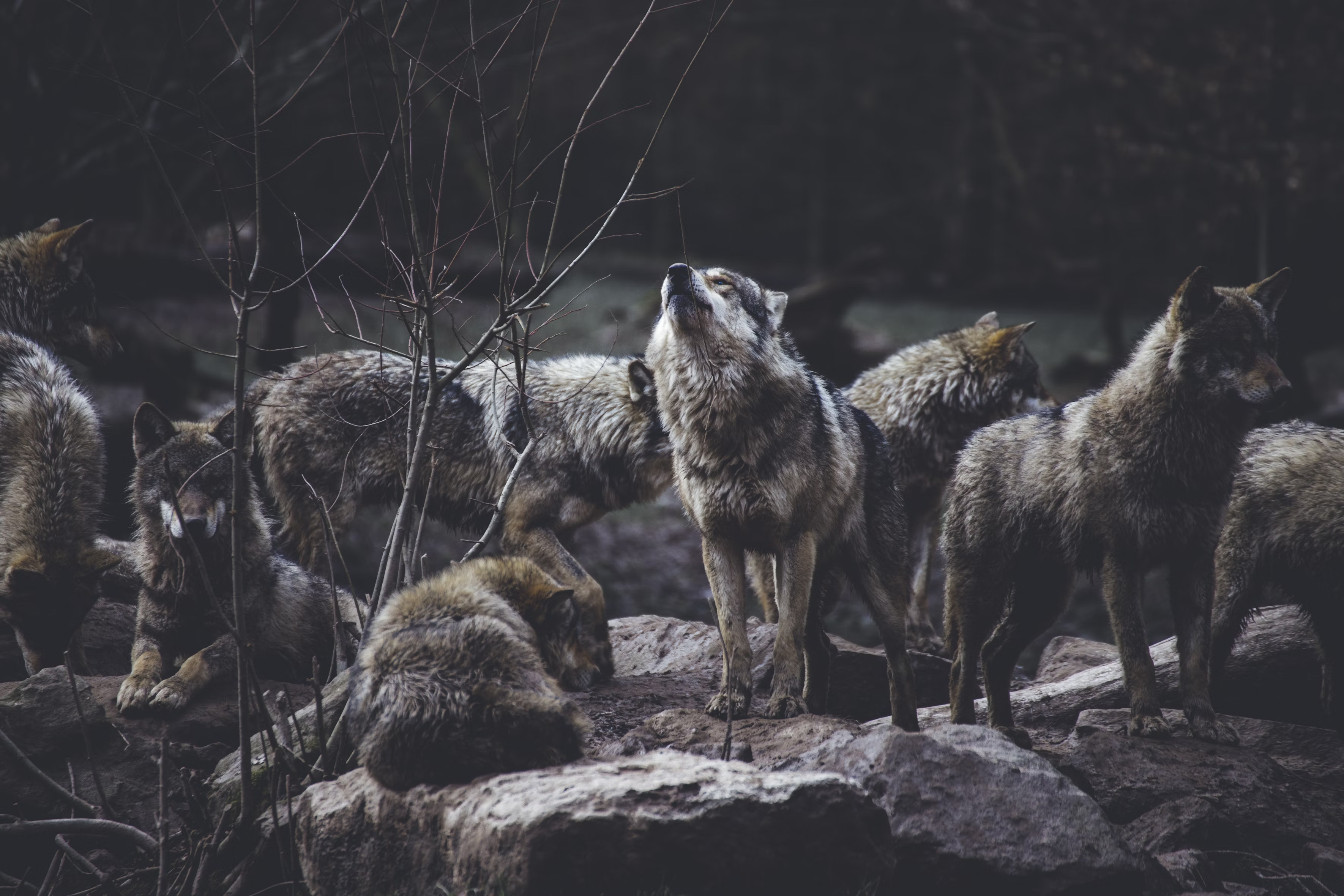
In the wild, wolves operate within a structured, efficient, and effective system known as the wolf pack. This natural organization offers valuable insights into team building, leadership development, and achieving success in the business world. By understandingwhat Wolfpack in Business means and applying the principles observed in a wolf pack, leaders can foster stronger, more cohesive teams capable of achieving extraordinary results.
Lessons from the Wolfpack in business for Team Leadership
- Hierarchy and Roles: In a wolf pack, each member has a specific role, from the alpha leaders to the omega who often serves as a stress-relief valve. Similarly, in business, clear roles and responsibilities ensure that everyone knows their place and contribution within the team. This clarity helps in avoiding conflicts and enhances productivity.
- Communication: Wolves are known for their complex communication methods, using vocalizations, body language, and eye contact. In the business world, effective communication is paramount. Regular meetings, feedback sessions, and open channels of communication help in aligning team goals and maintaining transparency.
- Collaboration and Unity: A wolf pack operates as a single unit when hunting or defending territory. In teams, collaboration and a sense of unity are critical. Building a culture of trust and mutual respect where team members support each other can lead to higher engagement and better outcomes.
- Adaptability and Resilience: Wolves are highly adaptable creatures, capable of surviving in diverse environments. Businesses too must be adaptable to survive and thrive amidst changing market conditions. Leaders should foster a culture of innovation and resilience, encouraging their teams to embrace change and learn from failures.
- Leadership and Succession: In a wolf pack, leadership is often challenged and changed when necessary, ensuring the strongest leaders guide the pack. This dynamic nature of leadership highlights the importance of leadership development and succession planning in businesses. Identifying and nurturing future leaders ensures sustained success and continuity.
Components of Great Leaders
- Visionary Thinking: Great leaders have a clear vision and can inspire their teams to work towards common goals. They are forward-thinking and can anticipate future challenges and opportunities.
- Emotional Intelligence: Understanding and managing one’s emotions and those of others is crucial. Leaders with high emotional intelligence can navigate complex interpersonal dynamics and foster a positive team environment.
- Decisiveness: Leaders must be able to make timely decisions, even in the face of uncertainty. Decisiveness builds trust and confidence within the team.
- Empathy: Empathetic leaders understand the needs and concerns of their team members, creating a supportive and inclusive workplace.
- Accountability: Holding oneself and others accountable ensures that responsibilities are met, and standards are maintained, driving the team towards success.
Metrics for Team Success
- Achievement of Goals: The most straightforward metric is whether the team meets or exceeds its set objectives and key results (OKRs).
- Team Engagement: High levels of engagement indicate that team members are motivated and committed to their work. Surveys and feedback tools can measure engagement levels.
- Collaboration Quality: Successful teams collaborate effectively. This can be assessed through peer reviews, collaborative project outcomes, and feedback.
- Innovation and Creativity: The ability to generate new ideas and solutions is a key indicator of a healthy, dynamic team. Innovation metrics can include the number of new initiatives, patents, or creative solutions implemented.
- Employee Retention and Satisfaction: High retention rates and job satisfaction levels often reflect a positive team environment. Regular check-ins and surveys can help monitor these metrics.
- Productivity and Efficiency: Measuring the output of the team relative to input (time, resources) provides insight into their efficiency. Key performance indicators (KPIs) relevant to the industry or project can help track productivity.
Drawing analogies from the wolfpack in business, teach us the importance of structure, communication, collaboration, adaptability, and dynamic leadership. By fostering these qualities within teams, leaders can build cohesive, resilient, and successful teams. Embracing the lessons from the wild can lead to greater achievements and a thriving business environment.
For more insights on team building and leadership development, subscribe to our blog and stay updated with the latest strategies and tips for enhancing team leadership and achieving business success.
Leave a Reply